
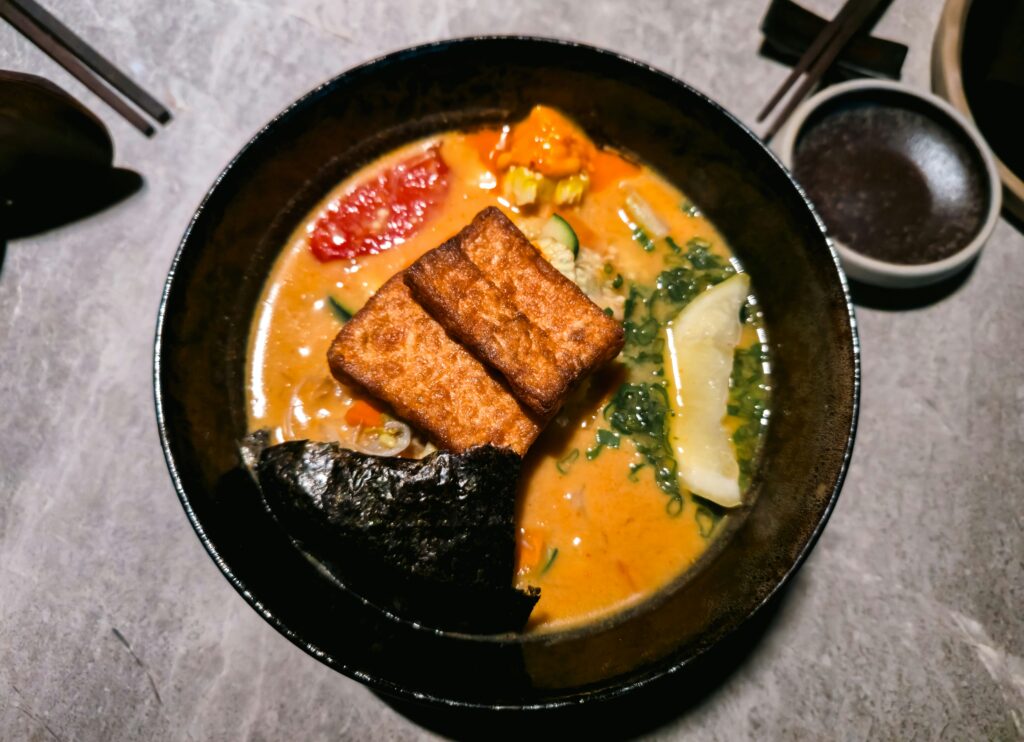
In recent years, the global food scene has experienced a notable shift toward meals that are not only visually appealing but also nutritionally balanced and environmentally conscious. Among the many culinary trends shaping contemporary kitchens, the concept of wholesome, plant-forward bowl meals has gained remarkable traction. These vibrant combinations of grains, vegetables, legumes, and flavourful dressings offer both convenience and nourishment. A significant influence in this movement has been the philosophy presented in Bowls of Goodness by Nina Olsson, a work that has inspired home cooks and wellness enthusiasts worldwide.
At ultramagazine.co.uk, a general news and information website covering lifestyle, health, culture, food, and global trends, we aim to explore ideas that reflect changing consumer preferences and modern living. The rise of plant-based bowl culture represents more than a passing trend; it reflects evolving attitudes toward health, sustainability, and mindful eating.
The Philosophy Behind Bowls of Goodness
Introducing Bowls of Goodness
The popularity of bowls of goodness nina olsson is rooted in a broader wellness movement that encourages simplicity, balance, and creativity in the kitchen. Authored by Nina Olsson, the book emphasizes nutrient-dense ingredients arranged in visually appealing bowls that combine textures, colours, and flavours.
Rather than focusing solely on restrictive dieting, Olsson’s approach celebrates abundance. Whole grains, seasonal vegetables, plant proteins, seeds, nuts, and homemade sauces form the foundation of meals designed to energize the body and delight the senses. The philosophy aligns with a growing desire for food that supports both physical well-being and environmental responsibility.
A Holistic Approach to Eating
What sets this approach apart is its emphasis on balance rather than elimination. Each bowl typically includes several core components: a hearty base such as quinoa or brown rice, a variety of roasted or raw vegetables, protein-rich additions like chickpeas or tofu, and a flavourful dressing or sauce to unify the dish.
This format encourages customization. Individuals can adapt ingredients based on dietary needs, cultural influences, or seasonal availability. As a result, the bowl concept transcends specific cuisines and becomes a flexible framework for healthy eating.
Why Bowl Meals Resonate with Modern Lifestyles
Convenience Without Compromise
In fast-paced urban environments, convenience often dictates food choices. However, convenience has historically been associated with highly processed options. Bowl meals challenge that assumption by offering a practical yet wholesome alternative.
Preparing components in advance allows individuals to assemble nutritious meals quickly during busy weekdays. This method supports meal planning while reducing reliance on takeaway food. The structure of bowls also simplifies portion control, ensuring a balanced ratio of carbohydrates, proteins, and healthy fats.
Visual Appeal and Social Media Influence
The aesthetic appeal of colourful bowl meals has played a significant role in their popularity. Vibrant vegetables, artful arrangements, and contrasting textures create dishes that are as pleasing to the eye as they are to the palate. Social media platforms have amplified this visual dimension, turning bowl presentations into shareable culinary art.
This digital visibility has contributed to the widespread recognition of concepts popularized by books such as Bowls of Goodness. The hashtag culture surrounding plant-based meals has encouraged experimentation and fostered a global community of home cooks.
Nutritional Benefits of Balanced Bowl Meals
Emphasis on Whole Foods
A key strength of the bowl approach lies in its reliance on minimally processed ingredients. Whole grains provide sustained energy, while legumes and plant proteins deliver essential amino acids. Vegetables contribute fibre, vitamins, and antioxidants, supporting digestive and immune health.
Healthy fats from avocado, seeds, or olive oil enhance nutrient absorption and promote satiety. By combining these elements, bowl meals offer comprehensive nutritional value without excessive calories or additives.
Supporting Plant-Based Eating
While not exclusively vegan, many bowl recipes align with plant-based dietary principles. Increasing plant consumption has been linked to numerous health benefits, including reduced risk of cardiovascular disease and improved metabolic function.
The adaptability of bowl meals makes them accessible to diverse dietary preferences, including vegetarian, vegan, gluten-free, and dairy-free lifestyles. This inclusivity has broadened their appeal across demographics.
Sustainability and Ethical Considerations
Reducing Environmental Impact
Food choices have significant environmental implications. Diets rich in plant-based ingredients generally require fewer natural resources and produce lower greenhouse gas emissions compared to meat-heavy diets. The bowl format, with its emphasis on grains, legumes, and vegetables, naturally supports more sustainable consumption patterns.
Seasonal and locally sourced ingredients further enhance environmental responsibility. By selecting produce aligned with regional harvest cycles, consumers can reduce transportation-related emissions and support local farmers.
Minimizing Food Waste
Another advantage of bowl meals is their flexibility in using leftover ingredients. Roasted vegetables from dinner can become part of a lunch bowl the next day. Small portions of grains or legumes can be combined creatively, reducing waste and maximizing resource efficiency.
This practical aspect aligns with broader sustainability goals and reflects a mindful approach to consumption.
Cultural Adaptability and Global Influence
A Universal Format
Although the concept has gained prominence in Western wellness culture, the idea of combining diverse ingredients in a single bowl is far from new. Many traditional cuisines feature similar arrangements, from Asian rice bowls to Mediterranean mezze platters.
The modern bowl trend draws inspiration from these culinary traditions while adapting them to contemporary tastes. Spices, sauces, and cooking techniques from around the world can be incorporated seamlessly, allowing for endless variation.
Encouraging Culinary Creativity
The bowl framework encourages experimentation. Home cooks can explore new grains such as farro or millet, experiment with global flavour profiles, or create innovative dressings using herbs and citrus. This creative freedom makes healthy eating engaging rather than monotonous.
Books like Bowls of Goodness provide structured inspiration while leaving room for personalization. The combination of guidance and flexibility empowers individuals to develop confidence in the kitchen.
The Role of Media and Publishing in Food Trends
The influence of food writers and cookbook authors remains significant in shaping culinary habits. By presenting recipes within a broader narrative of wellness and sustainability, authors like Nina Olsson connect practical cooking advice with lifestyle aspirations.
Media coverage, online communities, and editorial platforms contribute to the dissemination of these ideas. Articles discussing bowls of goodness nina olsson help contextualize the movement within larger conversations about health, ethics, and environmental awareness.
As consumers become more informed, they increasingly seek credible sources that align culinary enjoyment with responsible living.
Conclusion: A Lasting Shift Toward Mindful Eating
The rise of nourishing bowl culture reflects a broader transformation in how people approach food. No longer satisfied with meals that prioritize speed over substance, modern consumers seek options that support health, sustainability, and creativity. The philosophy championed in Bowls of Goodness embodies this shift by offering a practical yet inspiring framework for balanced eating.
Through its emphasis on whole ingredients, visual appeal, and environmental consciousness, the bowl trend demonstrates that nutritious food can be both accessible and enjoyable. As lifestyle patterns continue to evolve, this approach is likely to remain relevant, adapting to new ingredients and cultural influences.
Ultimately, the enduring popularity of bowl-based meals signals a meaningful change in culinary values—one that celebrates abundance, balance, and mindful living.