
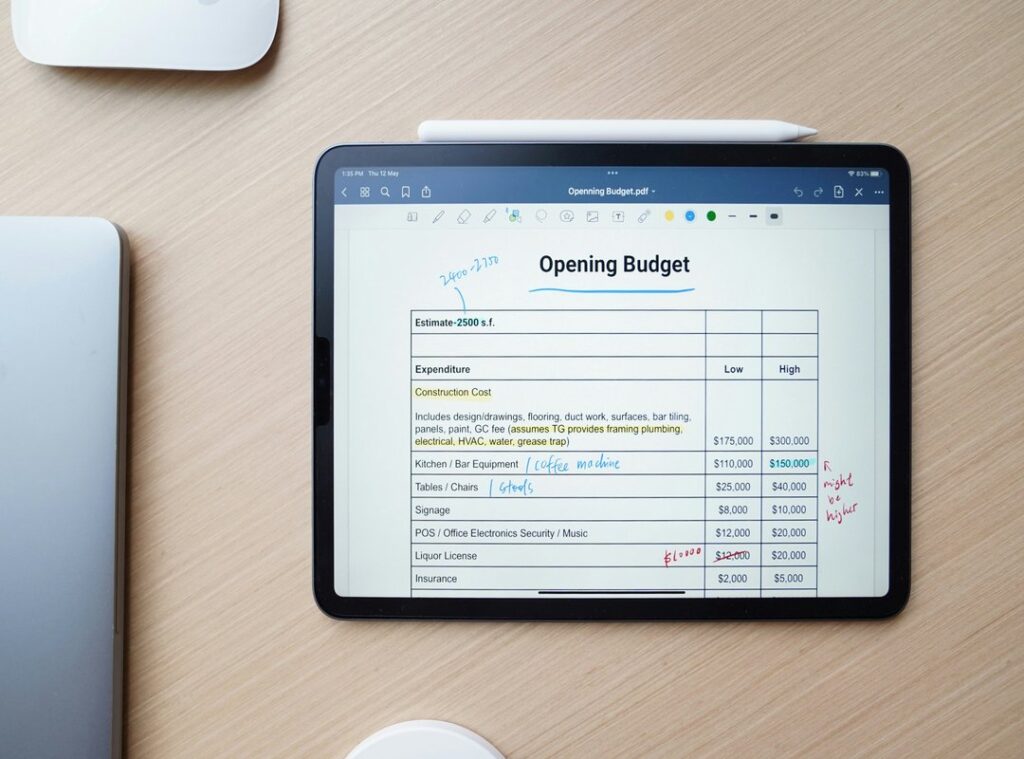
Your budget was solid in January.
Then March hit. Or April. Or last Tuesday.
And suddenly your numbers looked like a weather report from 2019 (useless) before you even printed them.
I’ve watched too many teams waste hours updating spreadsheets that were outdated before lunch.
Static budgets don’t fail because you’re bad at math. They fail because the world moves faster than an annual cycle.
Flexible Budgeting Aggr8budgeting by Aggreg8 fixes that.
Not with theory. With real tools we’ve used with dozens of businesses facing real volatility.
You’ll get a clear path. No jargon, no fluff. To shift from guessing to responding.
This isn’t about building a better spreadsheet.
It’s about stopping the cycle of surprise and scramble.
By the end, you’ll know exactly how to make your budget bend instead of break.
Why Your Budget Is Already Broken
I used to build annual budgets for companies that moved fast.
Then I watched them ignore those budgets three months in.
Static budgets lock you into a plan. A plan made before the market shifted. Before the supplier raised prices.
Before your top customer canceled.
That’s not planning. That’s guessing with spreadsheets.
The process itself takes months. Teams argue over line items while real-world conditions change daily. You finish the budget and it’s already outdated.
(Sound familiar?)
Real-time performance doesn’t wait for your fiscal calendar.
When sales spike, you can’t pivot spending. When costs jump, you’re stuck watching margins shrink (until) next year’s budget cycle.
Here’s what actually happened: A midsize manufacturer locked in Q1. Q4 materials pricing. Then their main steel supplier hiked rates 22% overnight.
Their budget didn’t allow for it. They absorbed the hit for two full quarters before adjusting. Profit dropped 14%.
No one saw it coming (because) no one was looking while it was happening.
That’s why I built Aggr8budgeting.
It’s not another static forecast. It’s live, responsive, tied to actual cash flow and KPIs as they move.
Aggr8budgeting flips the script. You update assumptions weekly. Not annually.
You shift resources as things change (not) after damage is done.
Flexible Budgeting Aggr8budgeting by Aggreg8 isn’t theory. It’s how you stop reacting and start steering.
You don’t need better forecasts.
You need faster feedback.
What’s your biggest budget surprise this year?
Adaptive Budgeting: Not Just a Spreadsheet With Extra Tabs
Adaptive budgeting is real-time financial planning. It updates forecasts as your business changes (not) once a year, not quarterly, but continuously.
I used to think rolling forecasts were just fancy math. (Turns out they’re how you stop reacting and start steering.)
It’s built on three things:
- Rolling forecasts (a) 12-month view that shifts forward every month
- Scenario planning. What if sales drop 15%? What if hiring doubles?
Static budgets are like reading last week’s weather report and packing for today. You know it’s wrong. You just hope it’s close enough.
Adaptive budgeting flips that. It’s proactive. It uses live data.
Not guesses from December. To adjust targets now.
You’re not stuck with Q1 numbers when Q2 already looks different. You pivot. Fast.
Spreadsheets can’t do this without breaking. Or lying. (Yes, Excel lies.
I’ve seen the #REF! errors pile up like unread emails.)
That’s why tools exist. Tools that connect to your CRM, your payroll, your billing system. And auto-update forecasts when those sources change.
Flexible Budgeting Aggr8budgeting by Aggreg8 is one of them. It’s built for teams who need speed, clarity, and shared context. Not version control hell.
Collaboration isn’t a feature here. It’s baked in. Finance talks to sales.
Sales talks to ops. Everyone sees the same numbers, updated hourly.
Does your current process let you answer “What happens if we delay the product launch by six weeks?” in under five minutes?
If not. You’re not behind. You’re just using yesterday’s tool for today’s problem.
I stopped building annual budgets in 2019. My team hasn’t missed a forecast since.
You don’t need perfection. You need responsiveness.
Start small. Try one rolling forecast. Track three key drivers.
See how fast your confidence grows.
Then ask yourself: Why am I still doing this the old way?
Aggreg8 Planning: What It Actually Fixes

I used to spend two days every month copying numbers from spreadsheets into other spreadsheets.
Then I tried Real-Time Data Integration.
I covered this topic over in Aggr8budgeting financial news by aggreg8.
It pulls live data straight from your ERP and CRM. No copy-paste, no version confusion, no “Wait, is this the right sales number?”
You get accuracy by default. Not as a goal. As a side effect.
And if your finance team is still reconciling last week’s numbers while planning next quarter’s budget? That’s not diligence. That’s delay.
Changing Scenario Modeling means you stop guessing what might happen.
You build three versions of next year (one) where supply chain holds, one where it cracks, one where you launch in Berlin.
You don’t just compare top-line revenue. You see how each scenario hits headcount, cash flow, and margin. All in the same view.
No more “Well, we hoped for 12% growth.” Now you ask: “What does 12% require (and) what breaks if we only hit 7%?”
That changes the conversation.
Collaborative Workflows kill the “finance vs. sales” cold war.
Sales adds assumptions. Ops adjusts capacity. Finance ties it all together.
Everyone sees the same numbers. Everyone owns part of the plan.
No more “This wasn’t my assumption” in Q2 review.
Aggr8budgeting Financial News by Aggreg8 covers real-world cases where that shift flipped budget cycles from blame sessions to action plans.
Flexible Budgeting Aggr8budgeting by Aggreg8 isn’t about flexibility for its own sake.
It’s about reacting fast. Without rewriting everything.
I’ve watched teams cut planning time by 60%. Not because they worked harder. Because the tool stopped fighting them.
You don’t need more data.
You need less friction.
Try it once. Then tell me you want to go back to email-based budgeting.
From Reports to Real Plan: Aggreg8 Changes the Game
I stopped treating budgets as reports years ago. They’re forecasts. They’re arguments.
They’re how finance talks to the CEO.
Reactive reporting is just damage control. You wait for numbers, then explain why things went sideways. That’s not plan.
That’s triage.
With Flexible Budgeting Aggr8budgeting by Aggreg8, finance teams stop chasing last month’s data. They adjust forecasts in real time. They model scenarios before decisions get made.
Not after.
You become a strategic partner. Not because someone handed you a title, but because your numbers move faster than the market does.
Better risk calls. Smarter hiring. Less wasted spend.
All because you’re not stuck in a static spreadsheet cycle.
The shift isn’t technical. It’s cultural. And it starts with how you budget.
Start here: Aggr8budgeting Finance Guideline From Aggreg8
Your Budget Should Breathe With You
Rigid budgets break when life shifts. I’ve watched too many people panic when rent jumps or a car dies. That old spreadsheet?
It’s not planning. It’s guessing.
Flexible Budgeting Aggr8budgeting by Aggreg8 adapts in real time. Not next month. Not after you re-read the manual.
Now.
You don’t need more willpower.
You need a system that bends instead of snapping.
Still stuck wondering if your numbers will hold up next quarter? What if your income drops 20%? What if an emergency hits this week?
The demo takes 15 minutes. It shows exactly how your budget responds. Before you commit.
We’re the top-rated adaptive budgeting tool for small teams and freelancers.
Book your slot now.
Your future self will thank you.
 Ask Amy Glazerela how they got into market analysis and reports and you'll probably get a longer answer than you expected. The short version: Amy started doing it, got genuinely hooked, and at some point realized they had accumulated enough hard-won knowledge that it would be a waste not to share it. So they started writing.
What makes Amy worth reading is that they skips the obvious stuff. Nobody needs another surface-level take on Market Analysis and Reports, Investment Strategies and Trends, Wealth Management Strategies. What readers actually want is the nuance — the part that only becomes clear after you've made a few mistakes and figured out why. That's the territory Amy operates in. The writing is direct, occasionally blunt, and always built around what's actually true rather than what sounds good in an article. They has little patience for filler, which means they's pieces tend to be denser with real information than the average post on the same subject.
Amy doesn't write to impress anyone. They writes because they has things to say that they genuinely thinks people should hear. That motivation — basic as it sounds — produces something noticeably different from content written for clicks or word count. Readers pick up on it. The comments on Amy's work tend to reflect that.
Ask Amy Glazerela how they got into market analysis and reports and you'll probably get a longer answer than you expected. The short version: Amy started doing it, got genuinely hooked, and at some point realized they had accumulated enough hard-won knowledge that it would be a waste not to share it. So they started writing.
What makes Amy worth reading is that they skips the obvious stuff. Nobody needs another surface-level take on Market Analysis and Reports, Investment Strategies and Trends, Wealth Management Strategies. What readers actually want is the nuance — the part that only becomes clear after you've made a few mistakes and figured out why. That's the territory Amy operates in. The writing is direct, occasionally blunt, and always built around what's actually true rather than what sounds good in an article. They has little patience for filler, which means they's pieces tend to be denser with real information than the average post on the same subject.
Amy doesn't write to impress anyone. They writes because they has things to say that they genuinely thinks people should hear. That motivation — basic as it sounds — produces something noticeably different from content written for clicks or word count. Readers pick up on it. The comments on Amy's work tend to reflect that.