
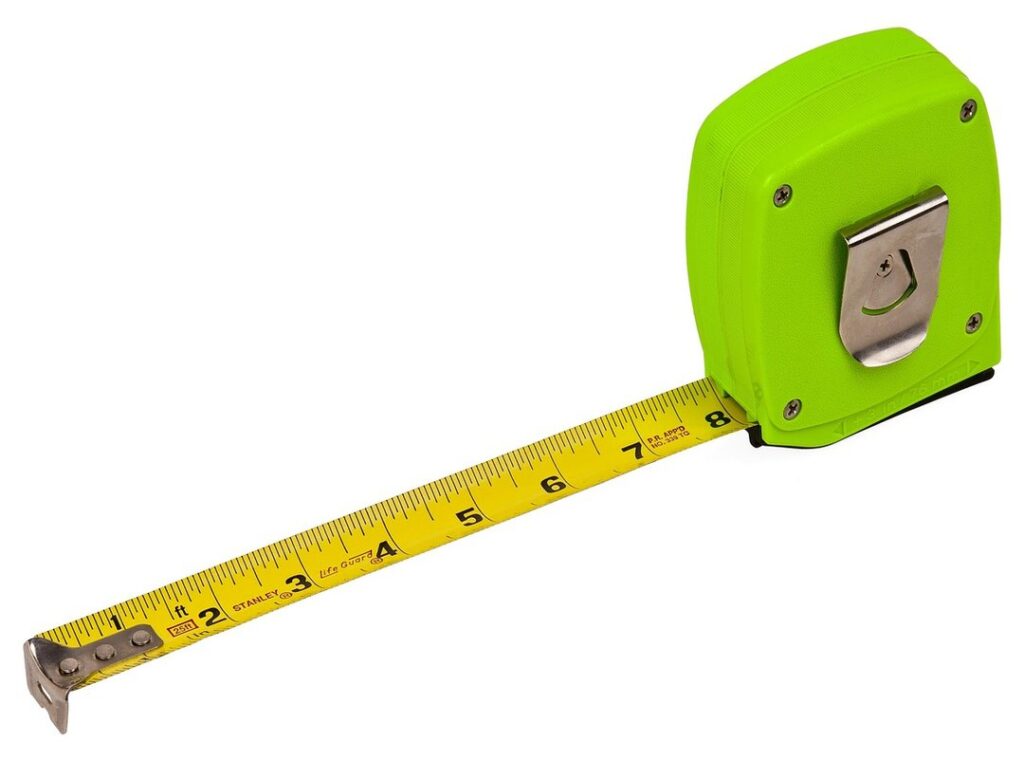
Converting 6.9 inches to centimeters can seem a bit tricky if you’re not used to it. But don’t worry, I’ve got you covered.
First off, let’s get one thing straight: I’m not a fan of complicated math. So, I’ll keep this as simple as possible. You probably already know that the metric system is used in most parts of the world, while the imperial system is more common in the U.S.
This can be a real headache when you need to switch between the two.
But why should you trust me? Well, I’m using standard conversion rates and practical examples. No fluff, just the facts.
So, if you need to convert 6.9 inch to cm, you’re in the right place. Let’s get started.
Understanding the Units: Inches and Centimeters
An inch is a unit of length in the imperial system, commonly used in the United States and the United Kingdom. Simple enough, right?
A centimeter, on the other hand, is a unit of length in the metric system, widely used in most countries around the world. It’s a bit more universal.
The conversion rate between these two units is pretty straightforward. 1 inch is equal to 2.54 centimeters, as defined by international standards. This standard has been in place since 1959, making it a reliable reference for decades.
So, if you need to convert 6.9 inches to centimeters, you just multiply 6.9 by 2.54. Easy peasy.
Knowing this can be really handy, especially when you’re dealing with measurements from different parts of the world. It saves a lot of headaches.
How to Convert 6.9 Inches to Centimeters
Converting inches to centimeters is a straightforward process. Here’s how you can do it:
- Identify the Conversion Rate: Remember that 1 inch = 2.54 cm.
- Set Up the Equation: Multiply the number of inches by the conversion rate (6.9 inches * 2.54 cm/inch).
- Perform the Calculation: 6.9 * 2.54 = 17.526 cm.
- Round if Necessary: Depending on the level of precision required, round the result to the desired number of decimal places.
So, 6.9 inch to cm is 17.526 cm.
If you need more precision, you can keep more decimal places. If not, rounding to two decimal places gives you 17.53 cm. Simple, right?
Examples and Practical Applications

Converting 6.9 inches to centimeters can be really useful in a variety of situations. Let’s dive into some practical examples.
Example 1: DIY Projects
When working on a DIY project, precise measurements are crucial. If you have a measurement in inches, like 6.9 inches, converting it to centimeters (which is about 17.53 cm) ensures your project turns out just right. No more guessing or rough estimates.
Example 2: Scientific Experiments
In scientific experiments, accuracy is key. Sometimes, you might need to use both imperial and metric units. Converting 6.9 inches to cm helps maintain consistency and precision in your data.
This way, you can compare and share results with other researchers who might be using the metric system. 6.9 inch to
Example 3: International Use
If you’re dealing with international standards, especially in fields like technology or design, you often need to convert screen sizes or object dimensions from inches to centimeters. For instance, if you’re designing a product that will be sold globally, knowing that 6.9 inches is approximately 17.53 cm can help you meet international specifications.
Here’s a quick reference table for common inch-to-cm conversions:
| Inches | Centimeters |
|---|---|
| 1 | 2.54 |
| 6.9 | 17.53 |
| 10 | 25.4 |
This table can help you quickly find the conversion you need, saving you time and ensuring accuracy.
Common Mistakes to Avoid
Start with an anecdote about a time I was helping a friend convert inches to cm. We were measuring a piece of wood, and he used 2.5 instead of 2.54. The difference seemed small, but it threw off the entire project.
Using the wrong conversion rate can mess up your measurements. For example, if you’re converting 6.9 inch to cm, using 2.5 instead of 2.54 will give you a noticeably different result.
Another common mistake is not rounding correctly. This can lead to imprecise results, which might not matter for casual projects but can be critical in more precise work.
Lastly, always label your final answer with the correct unit. It’s easy to forget, but it’s crucial for clarity. Missing the “cm” at the end can confuse anyone reading your measurements.
Frequently Asked Questions (FAQs)
Q1: Why do we need to convert inches to centimeters?
It’s all about making sure everyone is on the same page. Different countries and industries use different units, so converting inches to cm helps in clear communication and consistency.
Q2: Is there a quick way to estimate the conversion without a calculator?
Sure thing. A simple rule of thumb is to multiply the number of inches by 2.5. It’s not exact, but it gets you close enough for most everyday needs.
Q3: How can I convert other lengths from inches to centimeters?
Just remember the basic conversion: 1 inch equals 2.54 cm. Multiply the number of inches by 2.54 to get the length in cm. For example, 6.9 inch to cm would be 6.9 times 2.54, which is about 17.53 cm.
Mastering the Conversion from Inches to Centimeters
Recap the key points covered in the article, including the conversion rate and steps to convert 6.9 inch to cm. The conversion rate is 1 inch equals 2.54 centimeters. Multiply 6.9 by 2.54 to get the equivalent in centimeters.
Accurate conversions are crucial in various contexts, from everyday tasks to professional applications. They ensure precision and reliability in measurements.
Practice the conversion to become more confident and proficient in using both imperial and metric units.
 Ask Amy Glazerela how they got into market analysis and reports and you'll probably get a longer answer than you expected. The short version: Amy started doing it, got genuinely hooked, and at some point realized they had accumulated enough hard-won knowledge that it would be a waste not to share it. So they started writing.
What makes Amy worth reading is that they skips the obvious stuff. Nobody needs another surface-level take on Market Analysis and Reports, Investment Strategies and Trends, Wealth Management Strategies. What readers actually want is the nuance — the part that only becomes clear after you've made a few mistakes and figured out why. That's the territory Amy operates in. The writing is direct, occasionally blunt, and always built around what's actually true rather than what sounds good in an article. They has little patience for filler, which means they's pieces tend to be denser with real information than the average post on the same subject.
Amy doesn't write to impress anyone. They writes because they has things to say that they genuinely thinks people should hear. That motivation — basic as it sounds — produces something noticeably different from content written for clicks or word count. Readers pick up on it. The comments on Amy's work tend to reflect that.
Ask Amy Glazerela how they got into market analysis and reports and you'll probably get a longer answer than you expected. The short version: Amy started doing it, got genuinely hooked, and at some point realized they had accumulated enough hard-won knowledge that it would be a waste not to share it. So they started writing.
What makes Amy worth reading is that they skips the obvious stuff. Nobody needs another surface-level take on Market Analysis and Reports, Investment Strategies and Trends, Wealth Management Strategies. What readers actually want is the nuance — the part that only becomes clear after you've made a few mistakes and figured out why. That's the territory Amy operates in. The writing is direct, occasionally blunt, and always built around what's actually true rather than what sounds good in an article. They has little patience for filler, which means they's pieces tend to be denser with real information than the average post on the same subject.
Amy doesn't write to impress anyone. They writes because they has things to say that they genuinely thinks people should hear. That motivation — basic as it sounds — produces something noticeably different from content written for clicks or word count. Readers pick up on it. The comments on Amy's work tend to reflect that.