Fashion has always been changing, but the pace of that change feels different today. Trends still come and go, yet they’re no longer the driving force behind the way most men build their wardrobes. Instead, there’s a growing focus on individuality, versatility and making smarter choices about what to wear. As we look ahead, it’s becoming clear that the future of menswear won’t be defined by one standout trend or a single designer. It will be shaped by the way men live, work and express themselves in an increasingly connected world.
For years, fashion followed a fairly predictable pattern. Each season introduced a fresh collection, new colours and a list of must-have items that quickly filled shop windows. While those seasonal releases still exist, today’s shoppers are far less interested in replacing their wardrobes every few months. Instead, they’re looking for clothing that fits into everyday life, works across different occasions and remains stylish long after the latest trend has faded.
That shift is particularly noticeable in London, where style is constantly evolving but rarely follows just one direction. Walk through the capital and you’ll see countless interpretations of modern menswear, from classic tailoring and premium basics to vintage finds and contemporary streetwear. It’s this mix of influences that keeps the city at the forefront of fashion, and it’s why publications like Xposed London continue to celebrate the people, brands and ideas shaping the capital’s ever-changing style scene. Rather than telling readers what they should wear, the focus is increasingly on helping them discover clothing that reflects their own personality.
One of the biggest developments likely to define the future of menswear is the continued move away from rigid dress codes. Not long ago, wardrobes were often divided into separate categories: work clothes, weekend clothes and formalwear. Today, those boundaries have become much less defined. A smart overshirt can work in the office, at dinner or on a weekend away. Tailored trousers pair just as naturally with trainers as they do with loafers. The future belongs to clothing that adapts to different situations without compromising on style.
Comfort will remain one of the industry’s strongest influences, but that doesn’t mean sacrificing appearance. The oversized silhouettes that have dominated recent years are gradually becoming more refined, with relaxed cuts replacing extremes. Clothes are being designed to allow movement, improve comfort and suit modern lifestyles while still looking polished. Men are discovering that dressing well doesn’t require stiff fabrics or restrictive fits, and brands are responding by creating garments that offer both ease and elegance.
Another trend shaping the future of menswear is the growing appreciation for craftsmanship. Consumers are becoming more informed about how clothes are made, what fabrics they’re buying and whether those garments are built to last. Instead of filling wardrobes with short-lived purchases, many are choosing fewer, better-quality pieces that can be worn repeatedly. This isn’t simply about spending more money; it’s about recognising the value of durability and thoughtful design.
Technology will also continue to reshape the way men shop. Online retail has already transformed the fashion industry, but the next stage is likely to focus on creating more personalised experiences. Smarter recommendations, detailed sizing tools and digital styling services are helping shoppers make better decisions before they buy. Rather than overwhelming customers with endless options, retailers are finding ways to curate selections that genuinely match individual preferences and lifestyles.
At the same time, physical stores are evolving rather than disappearing. Instead of acting solely as places to buy clothes, they’re becoming destinations where customers can experience brands, receive styling advice and discover new collections in a more engaging way. London’s retail scene is already embracing this approach, blending shopping with events, exhibitions and community experiences that make visiting a store feel worthwhile.
Independent brands are expected to play an even bigger role in the future of menswear. As shoppers look for originality and authenticity, smaller labels have an opportunity to stand out by focusing on craftsmanship, limited production runs and distinctive design. Rather than competing on volume, these brands often succeed by offering something personal. For consumers, that means finding clothing with character instead of simply following the same high-street trends as everyone else.
Sustainability will remain an important part of the conversation, but the emphasis is changing. Instead of treating it as a marketing buzzword, many shoppers are simply asking practical questions. Will this jacket still look good in three years? Can these boots be repaired instead of replaced? Is this shirt versatile enough to wear throughout the year? Those considerations naturally encourage better buying habits without making sustainability feel like a separate issue.
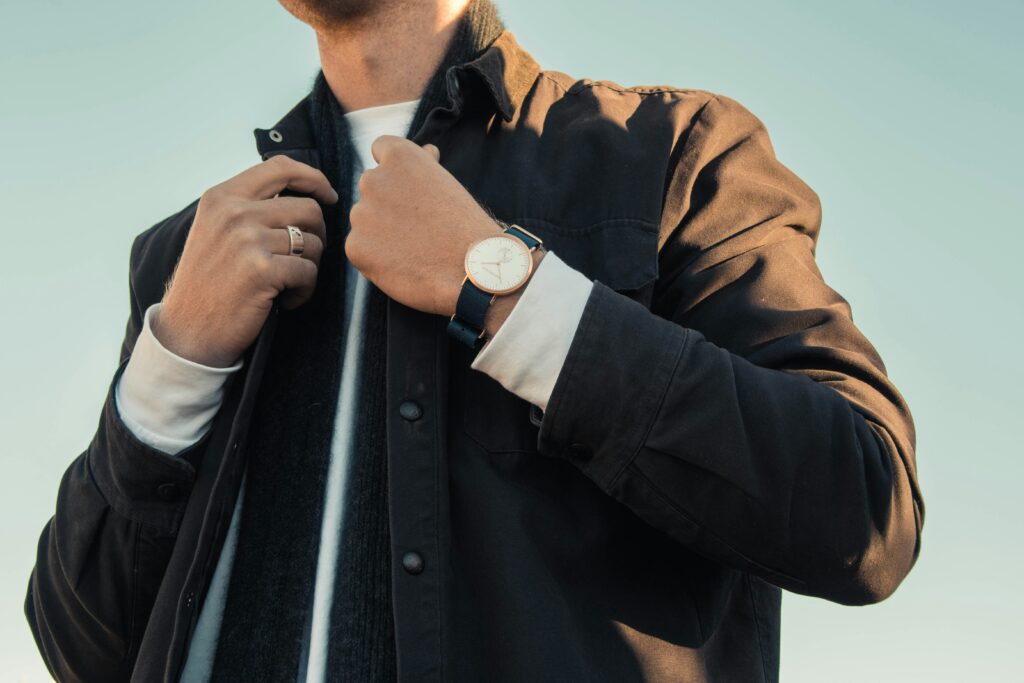
Accessories are also expected to become increasingly significant. Watches, leather bags, understated jewellery and premium footwear allow men to update their style without completely replacing their wardrobes. As clothing becomes more timeless, accessories provide an easy way to introduce personality and keep outfits feeling fresh.
Another exciting development is the growing confidence men have in experimenting with style. Fashion is becoming more inclusive, encouraging people to move beyond traditional expectations and explore different colours, textures and silhouettes. There is far less pressure to fit into one particular category than there once was. Whether someone prefers classic British tailoring, minimalist Scandinavian-inspired basics or contemporary streetwear, modern menswear offers space for every interpretation.
The influence of vintage fashion is unlikely to fade either. More men are recognising the appeal of clothing with history, whether that’s a perfectly worn leather jacket, a timeless overcoat or a pair of well-made boots that have stood the test of time. Vintage shopping encourages individuality while reminding people that great style isn’t always brand new. In a city like London, where vintage markets and independent boutiques thrive, that appreciation feels perfectly at home.
Social media will continue to shape fashion, but perhaps in more meaningful ways than before. Rather than creating pressure to keep up with every passing trend, platforms are increasingly helping people discover niche brands, learn styling techniques and build confidence in their own choices. Authenticity is becoming more influential than perfection, with audiences responding to creators who wear clothes naturally instead of presenting highly curated lifestyles.
Ultimately, the future of menswear is likely to be defined by flexibility. Clothing will need to suit changing work patterns, social lives and personal priorities. Men are looking for wardrobes that simplify everyday dressing rather than complicate it, and brands that understand this are likely to thrive. The days of buying something for one specific occasion are gradually being replaced by investing in pieces that can adapt to almost any setting.
Perhaps the most exciting thing about what’s next for menswear is that there are no longer any strict rules. Fashion has become less about keeping up and more about slowing down, making thoughtful choices and wearing clothes with confidence. Trends will continue to emerge, designers will continue to innovate and London will undoubtedly remain one of the world’s style capitals. Yet the real future of menswear lies in helping people feel comfortable in their own identity.
For today’s man, style is no longer measured by how closely he follows fashion—it is measured by how naturally his wardrobe reflects who he is. That simple shift in perspective is shaping the next chapter of menswear, and it promises a future where individuality, quality and confidence matter more than ever before.
 Wesley Wanggira has opinions about expert business advice. Informed ones, backed by real experience — but opinions nonetheless, and they doesn't try to disguise them as neutral observation. They thinks a lot of what gets written about Expert Business Advice, Market Analysis and Reports, Financial Planning Tips is either too cautious to be useful or too confident to be credible, and they's work tends to sit deliberately in the space between those two failure modes.
Reading Wesley's pieces, you get the sense of someone who has thought about this stuff seriously and arrived at actual conclusions — not just collected a range of perspectives and declined to pick one. That can be uncomfortable when they lands on something you disagree with. It's also why the writing is worth engaging with. Wesley isn't interested in telling people what they want to hear. They is interested in telling them what they actually thinks, with enough reasoning behind it that you can push back if you want to. That kind of intellectual honesty is rarer than it should be.
What Wesley is best at is the moment when a familiar topic reveals something unexpected — when the conventional wisdom turns out to be slightly off, or when a small shift in framing changes everything. They finds those moments consistently, which is why they's work tends to generate real discussion rather than just passive agreement.
Wesley Wanggira has opinions about expert business advice. Informed ones, backed by real experience — but opinions nonetheless, and they doesn't try to disguise them as neutral observation. They thinks a lot of what gets written about Expert Business Advice, Market Analysis and Reports, Financial Planning Tips is either too cautious to be useful or too confident to be credible, and they's work tends to sit deliberately in the space between those two failure modes.
Reading Wesley's pieces, you get the sense of someone who has thought about this stuff seriously and arrived at actual conclusions — not just collected a range of perspectives and declined to pick one. That can be uncomfortable when they lands on something you disagree with. It's also why the writing is worth engaging with. Wesley isn't interested in telling people what they want to hear. They is interested in telling them what they actually thinks, with enough reasoning behind it that you can push back if you want to. That kind of intellectual honesty is rarer than it should be.
What Wesley is best at is the moment when a familiar topic reveals something unexpected — when the conventional wisdom turns out to be slightly off, or when a small shift in framing changes everything. They finds those moments consistently, which is why they's work tends to generate real discussion rather than just passive agreement.