
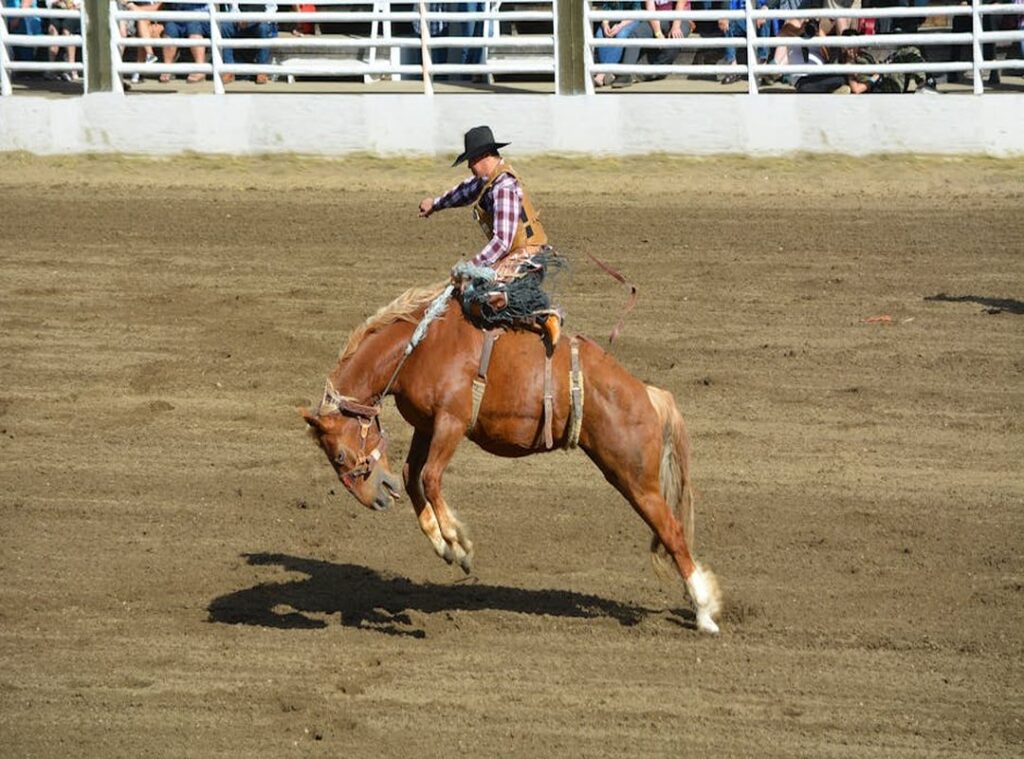
You’re here because you want to know about bucking hips meaning. It’s a term that can confuse people, especially since it shows up in different areas. This article aims to clear things up by explaining what the movement means in fitness, dance, and everyday biomechanics.
By the end, you’ll not only understand what the movement is but also how to tell when it’s done right or wrong. Knowing this can help you improve your performance or avoid injuries, depending on what you’re doing. Let’s dive in and make sense of it all.
What Does It Mean to ‘Buck’ Your Hips? The Core Mechanics
‘Bucking hips’ is a rapid, powerful, and often explosive forward thrust of the pelvis. Think of it like a hinge snapping shut or the crack of a whip originating from your core.
The primary muscles involved are the glutes, hamstrings, and lower back extensors. These work together to create a powerful hip extension.
Now, let’s clear something up. A controlled hip thrust, like in a glute bridge, is different. That’s more about form and control.
Bucking hips, on the other hand, is all about speed and force.
Imagine flinging a blanket off a bed using only your lower body. That quick, strong movement is what we’re talking about here.
The meaning and value of BUCKING HIPS depend entirely on the situation. In some contexts, it can be incredibly useful. In others, not so much.
Context is Key: ‘Bucking Hips’ in Fitness and Athletics
In exercises like kettlebell swings or Olympic lifts, a powerful hip drive (a controlled ‘buck’) is the primary source of power. This movement generates the force needed to lift heavy weights efficiently.
But in other exercises, like push-ups, planks, or squats, ‘bucking the hips’ is a common form error. It indicates a weak core or fatigue, and why?
Because it breaks the neutral spine position, disengages the core, and transfers stress to the lower back. This increases the risk of injury.
To correct this, focus on specific cues. Try ‘tuck your tailbone’ or ‘brace your abs as if you’re about to be punched.’ These cues help maintain a stable core and prevent unwanted hip movement.
In running, a slight hip ‘buck’ can be a sign of glute medius weakness and an unstable pelvis. This can lead to poor form and potential injuries over time.
So, in fitness, the term bucking hips usually describes either a source of power or a sign of weakness. Understanding the context is key to using it effectively.
The Rhythmic Meaning: Bucking Hips in Dance and Expression
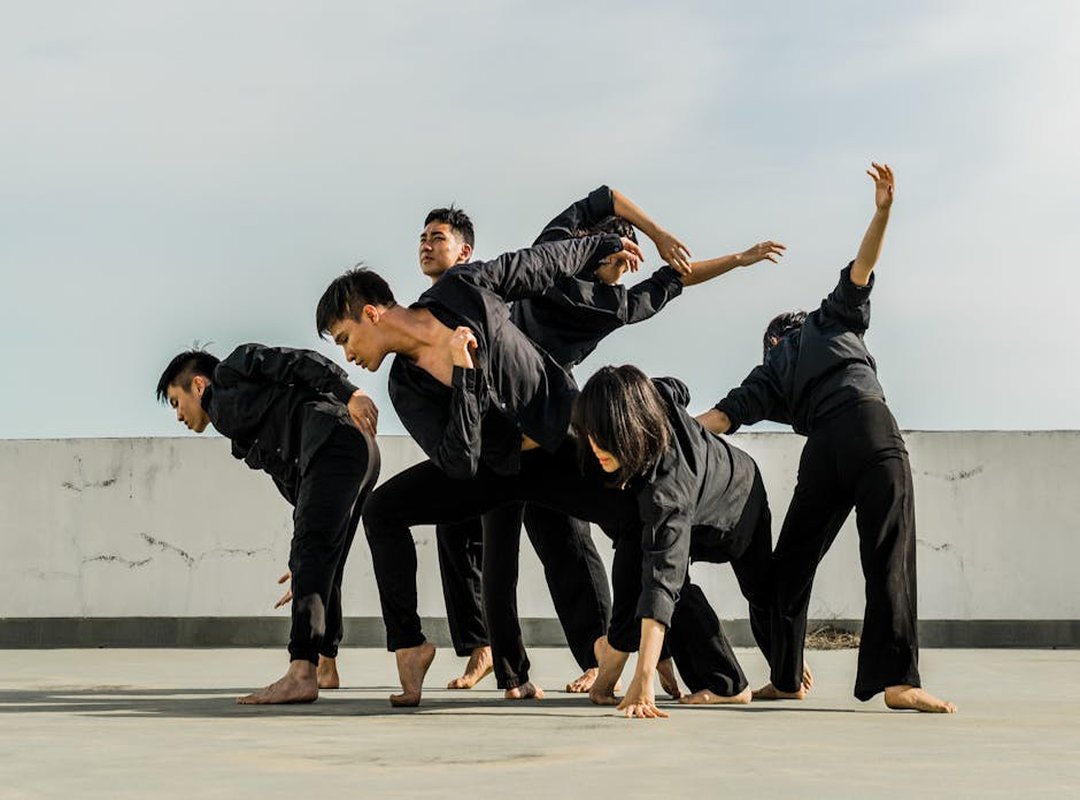
I remember the first time I tried to learn a dancehall routine. My hips felt like they were made of concrete. But with practice, I found the rhythm and confidence. read more
In dance, the movement is intentional, rhythmic, and expressive. It’s not just about moving; it’s about feeling the music and expressing yourself.
Twerking, reggaeton, dancehall, and various forms of African dance all use bucking hips as a core component. In these styles, the movement can signify confidence, energy, and a deep connection to the music.
To start, stand with soft knees. Isolate your pelvis and practice pulsing forward and back. This might feel awkward at first, but stick with it.
Core engagement is key. It protects your lower back and makes the movement look more controlled and powerful. Trust me, you don’t want to end up with a sore back from dancing.
The difference between this dance-related movement and a fitness error? Intention and control. In dance, it’s about the flow and the connection to the music.
In fitness, it’s often about form and avoiding injury.
So, next time you’re on the dance floor, let those hips move. Embrace the rhythm and the expression, and you might just surprise yourself.
When to Be Concerned: Is This Movement a Sign of a Problem?
You might be wondering if this movement is more than just a quirk. Involuntary or uncontrollable hip bucking, especially during sleep or when trying to hold a static position, can be a sign of an underlying issue.
Conditions like restless leg syndrome, muscle spasms, or neurological issues can cause it. If you’re experiencing this, it’s a good idea to consult a doctor.
When performed incorrectly under load—like in a heavy deadlift—it’s a major red flag for potential injury to the lumbar spine.
If the movement is intentional and pain-free, it’s likely fine. But if it’s unintentional, painful, or happens during an exercise meant to be static, it’s worth investigating.
From Confusion to Clarity on Hip Movements
The main takeaway is that the bucking hips meaning is not singular but is defined entirely by its context. In athletics, it can be a powerful tool for enhancing performance. Conversely, in stability exercises, it often represents a critical error that can lead to poor form and potential injury.
In dance, this movement becomes an expressive element, adding flair and emotion to performances. With this knowledge, you are now equipped to identify and interpret hip movements in various aspects of your life or activities. Pay attention to your own hip movements; doing so will help you build better body awareness and improve your overall physicality.
 Wesley Wanggira has opinions about expert business advice. Informed ones, backed by real experience — but opinions nonetheless, and they doesn't try to disguise them as neutral observation. They thinks a lot of what gets written about Expert Business Advice, Market Analysis and Reports, Financial Planning Tips is either too cautious to be useful or too confident to be credible, and they's work tends to sit deliberately in the space between those two failure modes.
Reading Wesley's pieces, you get the sense of someone who has thought about this stuff seriously and arrived at actual conclusions — not just collected a range of perspectives and declined to pick one. That can be uncomfortable when they lands on something you disagree with. It's also why the writing is worth engaging with. Wesley isn't interested in telling people what they want to hear. They is interested in telling them what they actually thinks, with enough reasoning behind it that you can push back if you want to. That kind of intellectual honesty is rarer than it should be.
What Wesley is best at is the moment when a familiar topic reveals something unexpected — when the conventional wisdom turns out to be slightly off, or when a small shift in framing changes everything. They finds those moments consistently, which is why they's work tends to generate real discussion rather than just passive agreement.
Wesley Wanggira has opinions about expert business advice. Informed ones, backed by real experience — but opinions nonetheless, and they doesn't try to disguise them as neutral observation. They thinks a lot of what gets written about Expert Business Advice, Market Analysis and Reports, Financial Planning Tips is either too cautious to be useful or too confident to be credible, and they's work tends to sit deliberately in the space between those two failure modes.
Reading Wesley's pieces, you get the sense of someone who has thought about this stuff seriously and arrived at actual conclusions — not just collected a range of perspectives and declined to pick one. That can be uncomfortable when they lands on something you disagree with. It's also why the writing is worth engaging with. Wesley isn't interested in telling people what they want to hear. They is interested in telling them what they actually thinks, with enough reasoning behind it that you can push back if you want to. That kind of intellectual honesty is rarer than it should be.
What Wesley is best at is the moment when a familiar topic reveals something unexpected — when the conventional wisdom turns out to be slightly off, or when a small shift in framing changes everything. They finds those moments consistently, which is why they's work tends to generate real discussion rather than just passive agreement.