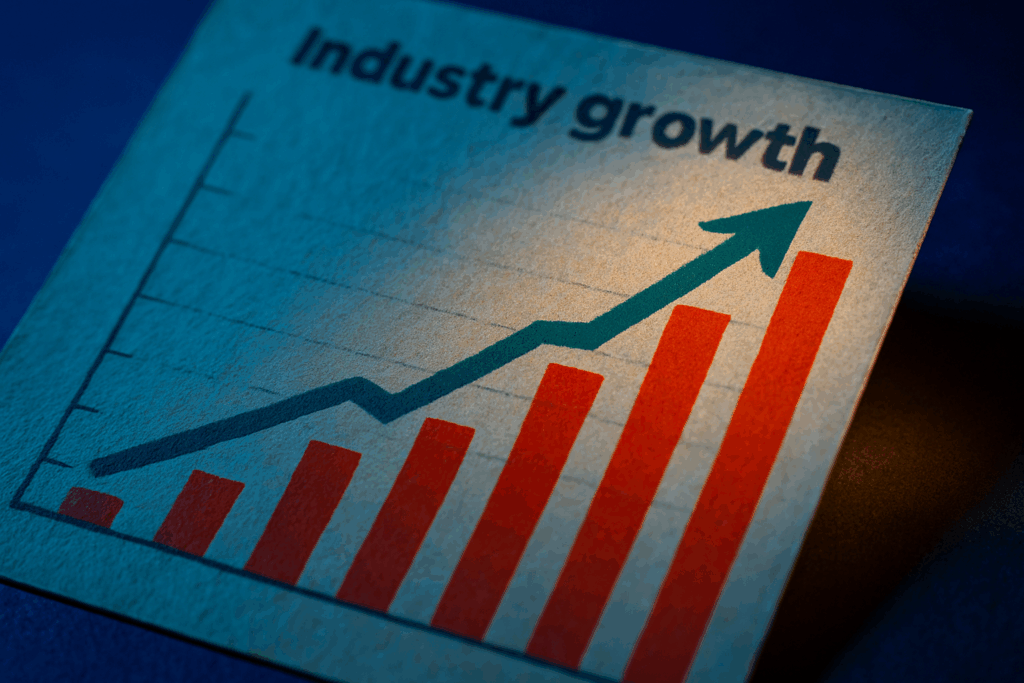

GDP Movement and What It Signals
Q2 GDP growth came in at a moderate pace neither fiery nor frozen. The economy expanded at an annualized rate of 2.2%, signaling a soft landing rather than a sprint or stall. That’s slower than Q1’s momentum but still solid, especially in the face of higher interest rates and tighter credit conditions.
Industry wise, services kept the engine running. Consumer spending held up in sectors like travel, health, and entertainment. Tech and professional services also did some heavy lifting. On the flip side, manufacturing pulled back, hit by shaky demand and lingering supply chain issues. Real estate remained mixed: residential construction slowed due to rate hikes, while some commercial segments found footing.
So, why does this all matter? Because GDP sets the tone for everything from policy decisions to stock market behavior. A modestly growing economy keeps the Fed cautious but not panicked. It gives investors some confidence without creating froth. In other words, GDP isn’t just a number it’s a signal. And right now, that signal says: steady, but watch your step.
Unemployment and Labor Trends
Hiring in Q2 held steady, but the labor market’s texture is changing. Job creation outpaced expectations especially in healthcare, tech services, and construction but job openings have started to taper off. There’s demand, but employers are becoming more selective. The Great Resignation energy has cooled. Now it’s more about the Great Rebalancing.
Wages climbed modestly, a sign of ongoing tightness in certain sectors. But pay increases weren’t universal. Gains were strongest in logistics, health services, and skilled trades areas still feeling worker shortages. Meanwhile, white collar sectors like finance and media saw flatter wage trends, reflecting cost cutting and hiring freezes.
Labor force participation ticked up slightly, signaling that more people are reentering the job hunt. Retirements have slowed, and younger workers are stepping in. Female participation also improved, largely driven by increased access to flexible work.
The biggest worker shifts? They’re happening in manufacturing (automated and getting lean), retail (shrinking headcount), and remote friendly tech roles, which are now pulling talent from across state lines. The labor market isn’t overheated. It’s evolving fast and uneven.
Inflation Pressure Points
Inflation didn’t sit still this quarter, but the story depends on where you look. The headline Consumer Price Index (CPI) saw mild increases, mostly driven by stubborn costs in energy and housing. Food prices came off their peak but remained volatile, especially in key staples. If you strip those out what economists call Core Inflation you get a slower, flatter picture. That’s what central banks watch closely, and right now, it’s inching in the right direction, but not fast enough to claim a full victory.
Energy prices were a key swing factor. A rebound in oil demand and spotty global supply pushed transport and utility costs higher again, showing how fragile price stability still is. Housing remains a long term driver too rents and shelter costs didn’t ease up much, keeping pressure on the average consumer. Add regional imbalances, and you get a messy, uneven map of affordability across the U.S.
So, are central banks winning the fight? Not quite. They’re holding the line tight credit, cautious rate hikes but with inflation still tracking above target in most categories, the job isn’t done. The message for markets and consumers is clear: don’t expect rate cuts just yet. And for policymakers? Keep walking the tightrope too much pressure risks recession, too little risks reigniting inflation.
Market Reactions and Investor Sentiment

In Q2, the equity markets painted a picture of cautious optimism. Tech continued to hold center stage, but broader indices lurched sideways more than they climbed. Investors were caught balancing enthusiasm for AI and digital infrastructure with concern over macro uncertainty rate paths, geopolitical tensions, and consumer debt levels all kept bull runs in check.
Volatility didn’t vanish, but it took on a new form tight trading ranges, intermittent spikes around earnings and Fed chatter. The VIX stayed subdued for the most part, suggesting complacency, or at least a wait and see posture. Risk pricing, however, crept into credit spreads and derivatives: under the surface, investors started hedging more aggressively.
Then there’s fixed income. The yield curve stayed inverted through most of the quarter, flashing classic recession signals even as the economy proved surprisingly sturdy. Investors leaned into short duration strategies again, wary of locking in long term exposure regardless of Fed pause talks. Concerns are less about panic, more about fatigue markets are signaling they’re ready for clarity.
For a deeper look into key market indicators and what they could mean for Q3, head over to the finance updates.
Consumer and Business Spending
Consumer behavior held steady in Q2, but the undercurrent is shifting. Retail sales saw moderate growth, buoyed by essentials and budget conscious categories. Shoppers kept spending but pulled back on discretionary buys. Think: groceries and household items held up, while apparel and electronics softened. The takeaway? Resilience is real, but there’s caution underneath it. Households are watching their wallets, even if they’re not outright closing them.
On the business side, investment hasn’t fallen off a cliff in fact, in specific sectors, it’s ramping up. Companies are putting capital into automation, supply chain flexibility, and clean energy solutions. Software and infrastructure also drew attention, especially where operational efficiency could pay off long term. This isn’t lavish spending it’s targeted, pragmatic reinvestment.
As for the credit markets, story’s evolving with interest rate pressure. Lending growth is slowing, especially for consumer loans and small businesses. Banks are getting tighter, approvals are taking longer, and rates remain elevated. The result is a financing climate that’s less about saying yes and more about saying maybe, if the numbers check out.
Bottom line: Spend where it matters, pause where it doesn’t. That’s the mood across both consumers and companies.
Housing and Real Estate Pulse
The U.S. housing market in Q2 walked a tightrope between stagnation and slow correction. Existing home sales stayed soft, held back by high mortgage rates and a tight listing supply. Many homeowners are still locked into historically low rates and aren’t eager to sell. That’s keeping the market sticky rather than frozen, but ‘rebound’ is too strong a word. Most metros saw modest price drops or flatlining especially in pandemic boomtowns.
On the rental side, demand cooled slightly in Sun Belt cities after years of outsized gains. That said, rents remain historically elevated in urban centers, and new construction is trying to catch up. Multi family starts ticked up, not dramatically, but enough to signal that developers still see opportunity where zoning and financing cooperate.
Regionally, the picture is uneven. Midwest markets like Cleveland and Kansas City show solid activity, buoyed by affordability. The West Coast, especially parts of California, continues to correct. In the Southeast, demand persists, but price acceleration has tapered. Every ZIP code is telling its own version of the post pandemic story and there’s no national trend without footnotes.
Tying It All Together
Q2 painted a mixed but telling picture of the economy. Growth continued, but momentum showed signs of friction. Jobs held strong in many sectors, but wage growth is cooling. Inflation came down from its highs, yet essentials like housing and food remain sticky. Markets danced along cautiously, pricing in both optimism and risk.
In short: the economy is stable but not immune. Consumer spending is softening around the edges, business investment is getting more targeted, and credit costs are pressuring households and companies alike. Real estate remains a wildcard, varying sharply between regions.
Looking ahead to Q3, the key indicators to watch are:
Core inflation (particularly housing and services)
Labor force participation and wage trajectory
Yield curve behavior and interest rate messaging from central banks
Consumer confidence and spending shifts, especially in discretionary categories
We’re not in crisis territory, but we’re in a stage that demands attention. Staying on top of the data will matter more than assumptions or headlines. For those tracking market pulse and macro signals, bookmark our finance updates—we’ll keep breaking it down as conditions evolve.
 Wesley Wanggira has opinions about expert business advice. Informed ones, backed by real experience — but opinions nonetheless, and they doesn't try to disguise them as neutral observation. They thinks a lot of what gets written about Expert Business Advice, Market Analysis and Reports, Financial Planning Tips is either too cautious to be useful or too confident to be credible, and they's work tends to sit deliberately in the space between those two failure modes.
Reading Wesley's pieces, you get the sense of someone who has thought about this stuff seriously and arrived at actual conclusions — not just collected a range of perspectives and declined to pick one. That can be uncomfortable when they lands on something you disagree with. It's also why the writing is worth engaging with. Wesley isn't interested in telling people what they want to hear. They is interested in telling them what they actually thinks, with enough reasoning behind it that you can push back if you want to. That kind of intellectual honesty is rarer than it should be.
What Wesley is best at is the moment when a familiar topic reveals something unexpected — when the conventional wisdom turns out to be slightly off, or when a small shift in framing changes everything. They finds those moments consistently, which is why they's work tends to generate real discussion rather than just passive agreement.
Wesley Wanggira has opinions about expert business advice. Informed ones, backed by real experience — but opinions nonetheless, and they doesn't try to disguise them as neutral observation. They thinks a lot of what gets written about Expert Business Advice, Market Analysis and Reports, Financial Planning Tips is either too cautious to be useful or too confident to be credible, and they's work tends to sit deliberately in the space between those two failure modes.
Reading Wesley's pieces, you get the sense of someone who has thought about this stuff seriously and arrived at actual conclusions — not just collected a range of perspectives and declined to pick one. That can be uncomfortable when they lands on something you disagree with. It's also why the writing is worth engaging with. Wesley isn't interested in telling people what they want to hear. They is interested in telling them what they actually thinks, with enough reasoning behind it that you can push back if you want to. That kind of intellectual honesty is rarer than it should be.
What Wesley is best at is the moment when a familiar topic reveals something unexpected — when the conventional wisdom turns out to be slightly off, or when a small shift in framing changes everything. They finds those moments consistently, which is why they's work tends to generate real discussion rather than just passive agreement.