My stomach tightens every time I open my bank app.
You know that feeling too. That little knot when the paycheck hits and you’re already calculating what won’t get paid this month.
What Are some Financial Advice Ontpeconomy (yeah,) that’s what you typed. Not because you want theory. You want to stop lying awake wondering if you’ll make it to next month.
This isn’t another list of “save more” or “invest early.” Those don’t help when rent is due in three days.
I’ve used these steps for over a decade. With zero finance degree. With actual bills.
With real stress.
They’re simple. They’re repeatable. They work even if you hate spreadsheets.
In the next few minutes, I’ll walk you through exactly what to do (step) by step (to) lower your financial anxiety now.
No jargon. No fluff. Just what moves the needle.
The Foundation: Your Spending Plan Isn’t a Straitjacket
I stopped calling it a budget years ago. It’s a spending plan. Sounds less like homework and more like steering.
What Are some Financial Advice this resource? That question hit me hard when I first saw the Ontpeconomy system (not) because it’s flashy, but because it treats money like oxygen: invisible until you run low.
Start with the 50/30/20 rule. Not gospel. Just a starting line. 50% for needs (rent, groceries, insurance). 30% for wants (that subscription you forgot about, weekend coffee runs). 20% for savings or debt payoff.
If your rent eats 65%, adjust. Don’t guilt-trip yourself. Just shift.
Tracking? Skip the apps first. Try a blank spreadsheet.
One column: date. One: amount. One: category.
Do it for seven days. You’ll see where your money actually goes. Not where you think it goes.
(Pro tip: check your bank app’s transaction list. It’s already sorted. Copy-paste.)
Then pick one app. only one. Mint works. YNAB works.
Review it monthly. Every 30 days. Set a calendar alert.
Pick the one you’ll open twice a week. Not the one with the prettiest dashboard.
Not to scold yourself. To ask: Did this plan reflect reality?
If no (change) the plan. Not your life.
Perfection isn’t the goal. Awareness is. And awareness compounds faster than interest.
I’ve watched people go from panic to calm in six weeks (just) by writing down three transactions a day.
Your money isn’t broken.
Your plan just needs to breathe.
Your Emergency Fund: Not Magic (Just) Math and Muscle
An emergency fund is cash you keep just for true emergencies. Job loss. A busted transmission.
A surprise dental bill.
It is not for vacations. Or new sneakers. Or that concert you’ve been eyeing.
I saved my first $1,000 before I even knew what compound interest was. You should too. Start there.
Not $500. Not $2,500. $1,000. It’s enough to stop panic from hijacking your decisions.
Once that’s locked in? Then aim for 3. 6 months of important living expenses. Rent.
Groceries. Insurance. Utilities.
Not your Netflix subscription or takeout budget.
How do you build it? Set up automatic transfers. Weekly.
Bi-weekly. Whatever fits your paycheck rhythm. Even $25 a week gets you to $1,300 in a year.
No willpower required (just) setup.
Keep it in a separate high-yield savings account. That’s just a regular savings account (but) one that pays more interest (often 4%+ APY right now). No stocks.
No crypto. No “growth.” Just safety + better returns than your old bank gives you.
What Are some Financial Advice Ontpeconomy? Most of it ignores how broke people actually feel while trying to save. So start small.
Stay separate. Automate the boring part.
I opened mine at Ally. Got it done in seven minutes. You don’t need a financial advisor for this.
You need discipline. And a place that won’t bury your money under 0.01% interest.
Your future self won’t thank you for the vacation fund.
They’ll thank you for the $1,000 buffer that kept you from using a credit card at 24% APR.
I go into much more detail on this in What financial help can i get ontpeconomy.
Do it now. Not next month. Not after the holidays.
Now.
Debt Isn’t Evil (It’s) Just Math With Emotions
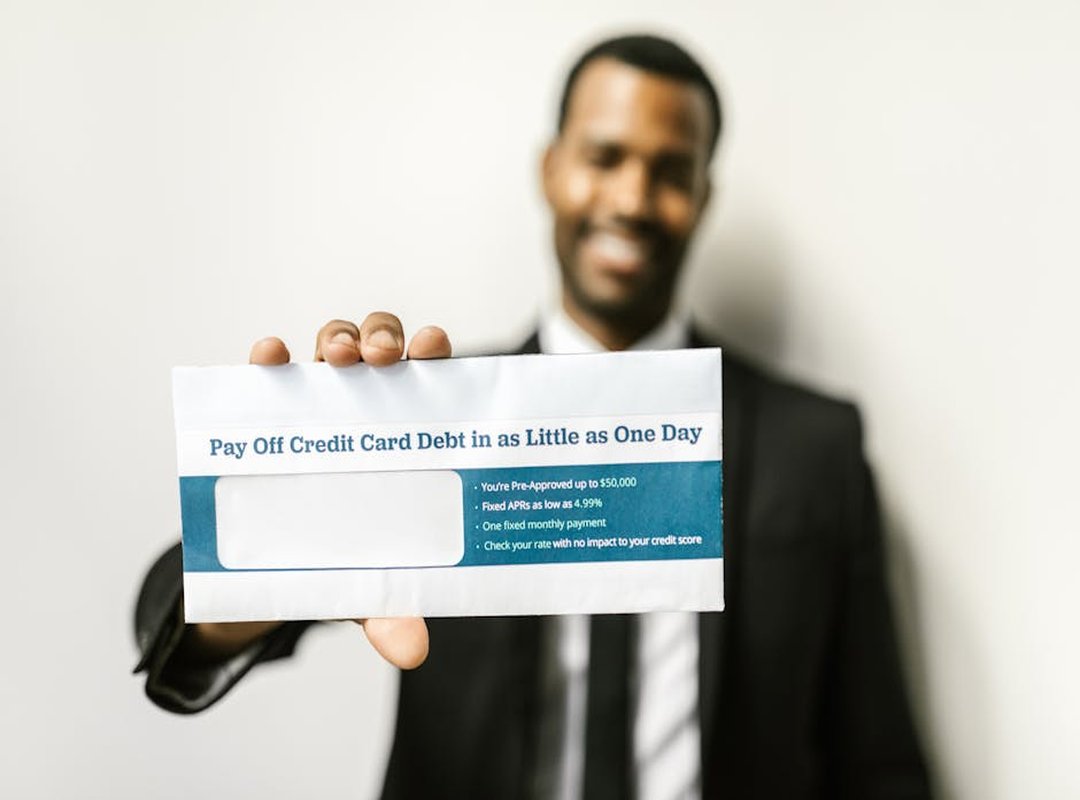
I’ve stared at the same credit card statement for 17 minutes. Not reading it. Just staring.
Debt feels heavy because it is. But it’s not a moral failure. It’s a number with interest attached.
So let’s fix the number.
No secret hack.
The two real options? Debt Snowball and Debt Avalanche. That’s it. No third path.
Snowball means paying the smallest balance first (no) matter the rate. You wipe out $200, then $450, then $1,200. Quick wins build momentum.
Your brain starts believing you can do this.
Avalanche flips it. Highest interest first. Pay off the 24% card before the 12% one.
Even if the balance is bigger. You save hundreds, maybe thousands. But it takes longer to feel progress.
Which one works? Depends on you. If you quit after month three, Snowball wins.
If you track spreadsheets like it’s your job, Avalanche saves money.
Here’s what I learned the hard way: while you’re paying down debt, don’t add new high-interest debt. Not even “just this one time.” That “one time” becomes six months of backsliding.
Call your credit card company. Ask for a lower rate. Yes (just) ask.
I did. Got mine dropped from 23.99% to 15.99%. Took four minutes.
You’ll also want to know what help actually exists. What Financial Help Can I Get Ontpeconomy breaks down real programs. Not just vague advice.
One pro tip: freeze your cards in a block of water. Sounds dumb. Works.
What Are some Financial Advice Ontpeconomy? Most of it’s noise. Skip the podcasts.
Open your statements. Pick one method. Start today.
No grand gestures needed. Just the next payment. Then the one after that.
That’s how it ends.
Automate Your Goals: Pay Yourself First (Without Thinking)
I set up auto-transfers years ago. It changed everything.
Paying yourself first isn’t theory. It’s moving money before you see it. Not after you “remember” or “feel like it.”
I automate three things: my emergency fund, my retirement account, and my credit card payment. That’s it.
You don’t need willpower when the money moves while you’re asleep. (Or scrolling TikTok. I won’t judge.)
Set your emergency fund transfer to hit the same day your paycheck lands. Even $25 a week adds up (and) builds real safety.
Retirement? If your employer offers a 401(k), turn on auto-increase. Let it climb 1% a year.
You won’t miss it.
And yes (automate) your credit card payment. Full balance. Every time.
No late fees. No stress.
What Are some Financial Advice Ontpeconomy? Most of it ignores how hard consistency is. Automation fixes that.
If you’re still choosing advisors instead of systems, you’re working too hard.
How Many Financial Advisors Should You Have Ontpeconomy
Your First Step Changes Everything
Financial stress isn’t about how much you make.
It’s about feeling out of control.
I’ve been there. No plan. Just guessing.
Waking up anxious.
That ends when you pick What Are some Financial Advice Ontpeconomy and do one thing today.
Not five things. Not someday. One.
Real. Action.
Open your bank app right now and block off $10 for savings. Or list every debt on paper. Or track every dollar you spend until bedtime.
You don’t need perfection. You need momentum.
The rest follows (but) only if you start.
So what’s your one thing?
Do it before midnight.
That first move proves you’re in charge. Not the bills. Not the panic. You.
Go.
 Ask Amy Glazerela how they got into market analysis and reports and you'll probably get a longer answer than you expected. The short version: Amy started doing it, got genuinely hooked, and at some point realized they had accumulated enough hard-won knowledge that it would be a waste not to share it. So they started writing.
What makes Amy worth reading is that they skips the obvious stuff. Nobody needs another surface-level take on Market Analysis and Reports, Investment Strategies and Trends, Wealth Management Strategies. What readers actually want is the nuance — the part that only becomes clear after you've made a few mistakes and figured out why. That's the territory Amy operates in. The writing is direct, occasionally blunt, and always built around what's actually true rather than what sounds good in an article. They has little patience for filler, which means they's pieces tend to be denser with real information than the average post on the same subject.
Amy doesn't write to impress anyone. They writes because they has things to say that they genuinely thinks people should hear. That motivation — basic as it sounds — produces something noticeably different from content written for clicks or word count. Readers pick up on it. The comments on Amy's work tend to reflect that.
Ask Amy Glazerela how they got into market analysis and reports and you'll probably get a longer answer than you expected. The short version: Amy started doing it, got genuinely hooked, and at some point realized they had accumulated enough hard-won knowledge that it would be a waste not to share it. So they started writing.
What makes Amy worth reading is that they skips the obvious stuff. Nobody needs another surface-level take on Market Analysis and Reports, Investment Strategies and Trends, Wealth Management Strategies. What readers actually want is the nuance — the part that only becomes clear after you've made a few mistakes and figured out why. That's the territory Amy operates in. The writing is direct, occasionally blunt, and always built around what's actually true rather than what sounds good in an article. They has little patience for filler, which means they's pieces tend to be denser with real information than the average post on the same subject.
Amy doesn't write to impress anyone. They writes because they has things to say that they genuinely thinks people should hear. That motivation — basic as it sounds — produces something noticeably different from content written for clicks or word count. Readers pick up on it. The comments on Amy's work tend to reflect that.