

Know Where Your Money Is Going
Before you can control your spending, you need to see where every dollar is actually going. Clarity is the first step to building a financial plan that works month after month.
Track Every Dollar
Don’t leave any expense unaccounted for even the small ones. Tracking can be as simple or sophisticated as you need it to be:
Use budgeting apps like Mint, YNAB, or PocketGuard
Build your own spreadsheet for a custom approach
Prefer analog? A notebook works just fine if you’re consistent
Categorize Your Spending
Breaking your expenses into categories helps you understand your financial habits:
Fixed costs: Rent, mortgage, utilities, subscriptions
Variable costs: Groceries, dining out, gas, entertainment
This gives you a clearer picture of what’s predictable and where you can cut back.
Spot Leaks Early
Recurring small charges and impulse buys can add up fast. Tracking your money makes these spending leaks visible so you can plug them before they become regular habits.
Look out for unused subscriptions
Pay attention to frequent small purchases (that daily coffee habit adds up!)
Want More Guidance?
For a deeper understanding of financial tracking methods and tools, check out this comprehensive finance guide.
Define Your Monthly Financial Goals
Before you build a budget or start logging receipts, you need a reason to bother. That reason? Clear, achievable goals. Don’t overthink it. Pick 2 3 targets you can hit within the month nothing too big, nothing too vague. Think: pay off one lingering utility bill, stash away $100 in savings, or cut your takeout habit by a quarter.
Short term wins matter more than distant dreams. They build momentum and confidence. When your budget is tied to a goal you actually care about, it’s easier to stick to the plan. Goals aren’t just boxes to check they’re the fuel that keeps you moving.
So before you get lost in spreadsheets or apps, ask yourself: What am I solving for this month? Then shape everything else around that.
Build a Budget That Actually Works
Start with the 50/30/20 rule if you need a template: 50% of your income goes to needs, 30% to wants, and 20% to savings or debt repayment. But don’t treat it like gospel. If you live in an expensive city or you’re juggling irregular income, tweak the percentages. The goal isn’t perfection it’s sustainability.
Forget trying to nail a flawless budget out of the gate. Focus on getting close and making adjustments as you go. A functional budget makes room for mistakes, surprises, and the fact that life is often messy.
Automation is your best low effort ally. Set up automatic transfers to savings. Auto pay bills so you’re not derailed by a missed deadline. Let your money handle some of the heavy lifting you have better things to do than micromanage every transaction.
Plan for Irregular Expenses
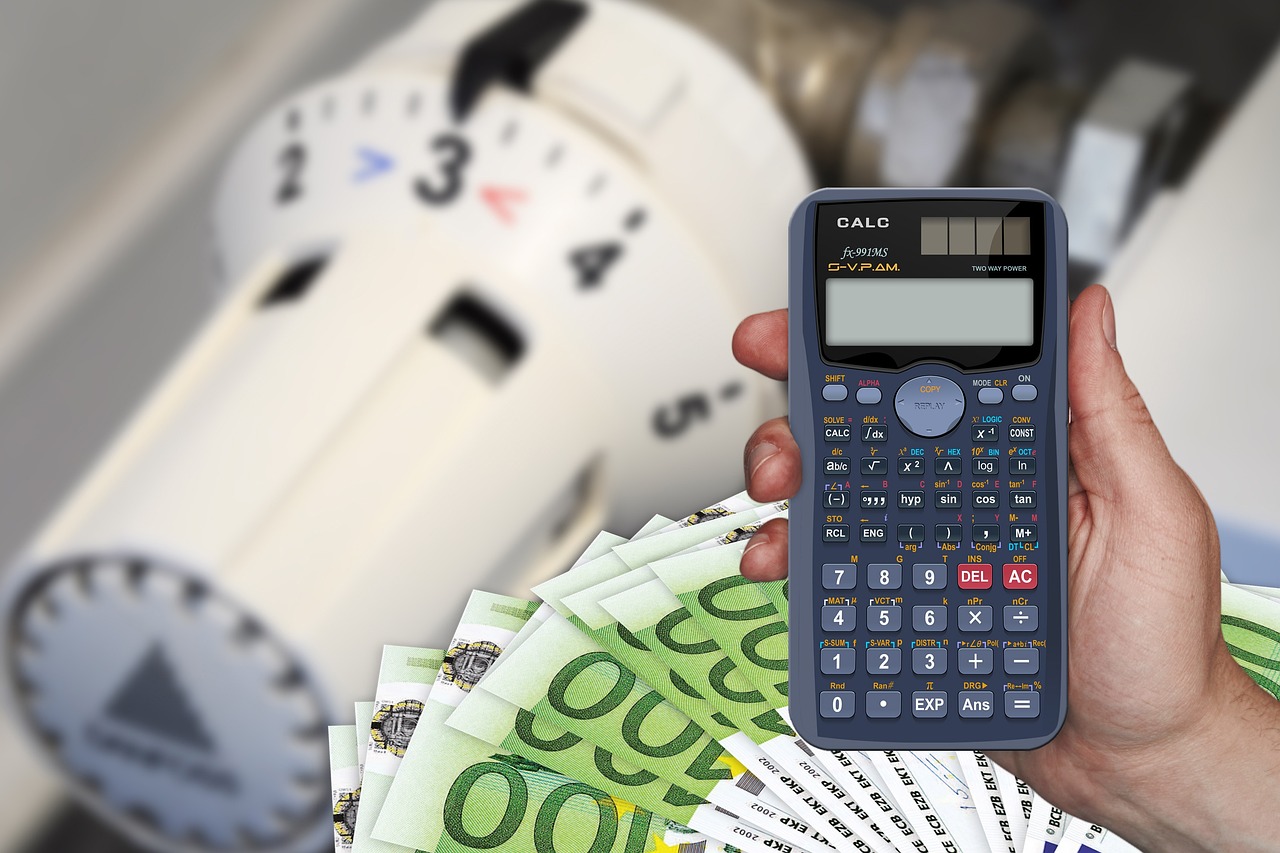
Birthdays aren’t emergencies. Neither is your kid’s school field trip or that annual oil change. Yet somehow, they keep catching people off guard. If it happens every year, it’s not unpredictable it’s just not in the plan.
This is where a sinking fund saves your budget. It’s a stash you build gradually, month by month, to cover those not quite monthly costs that still show up like clockwork. Take the total amount you expect to spend on an event or bill in a year say $600 for car upkeep and break it into clean, monthly chunks. That’s $50 per month set aside. No drama, no surprise.
Use your budget to track these funds. Label them clearly “gifts,” “back to school,” “car stuff.” Automate transfers if possible. The point is to soften the blow before it lands. Because nothing derails a plan faster than a bill you saw coming but didn’t bother to prepare for.
Prioritize Debt Reduction
Debt can feel overwhelming, especially when interest keeps piling up. The key to making real progress is to create a plan and stick to it.
Start with High Interest Debt
Focus on the debt that costs you the most each month. Prioritizing high interest balances like credit cards can save you hundreds or even thousands over time.
Use the avalanche method to pay off debts from highest to lowest interest rate
Or try the snowball method, paying smallest balances first to build motivation
Both work choose the one that fits your mindset and lifestyle
Stay Consistent Over Perfect
There’s no one size fits all plan. What matters most is consistency.
Automate payments if possible
Set reminders or use budgeting apps
Celebrate sticking to your plan, even if the progress feels slow
Treat Small Wins as Big Milestones
Every balance paid down is proof that your plan is working. Let those moments fuel your momentum.
Track your progress visually using a chart or checklist
Reflect on how much interest you’re avoiding
Focus on building habits, not just hitting numbers
Staying consistent with debt reduction turns short term action into long term freedom.
Review and Adjust Weekly
This isn’t about turning into a spreadsheet addict. It’s about creating a check in habit that keeps your plan grounded in real life. Block off 15 minutes each Sunday no more, no less to scan your spending. Open your banking app, glance at your tracker, and check if you’re off course or solidly in the green.
More important: stay flexible. Budgets aren’t meant to fence you in they’re designed to help you move with purpose. Some weeks you’ll crush your goals. Other times, life happens. Don’t scrap the system. Tweak it instead.
End each review by asking the real question: Am I actually moving toward what I said mattered this month? If the answer’s no, adjust your goals. This is how you turn a financial plan into something that lives with you, not against you.
Use the Right Tools
Setting up your financial system with the right tools doesn’t need to be complicated it just needs to work for you. The goal isn’t to be perfect; it’s to stay consistent without feeling overwhelmed.
Choose a Format That Works
There’s no one size fits all tool. Pick the method you’ll actually use:
Spreadsheets: Great for customization and control ideal if you enjoy digging into numbers
Budgeting apps: Tools like YNAB, Mint, or PocketGuard help automate the process and offer visual insights
Printable planners: Perfect for those who prefer a tactile approach and visual tracking
Automate with Intention
Automation reduces friction but don’t set it and forget it entirely:
Schedule automatic transfers for savings and bill payments
Use app alerts or calendar reminders to stay engaged
Review recurring payments regularly to avoid waste
Keep It Simple and Sustainable
Simplicity beats complexity every time:
Avoid overloading your system with unnecessary features or tools
Stick to what helps you stay focused and in control
Need Help Choosing?
Not sure what system is right for you? This finance guide breaks down the most effective tools and strategies in detail to help you make a confident decision.
 There is a specific skill involved in explaining something clearly — one that is completely separate from actually knowing the subject. Zyphara Zorvane has both. They has spent years working with business finance insights in a hands-on capacity, and an equal amount of time figuring out how to translate that experience into writing that people with different backgrounds can actually absorb and use.
Zyphara tends to approach complex subjects — Business Finance Insights, Investment Strategies and Trends, Expert Business Advice being good examples — by starting with what the reader already knows, then building outward from there rather than dropping them in the deep end. It sounds like a small thing. In practice it makes a significant difference in whether someone finishes the article or abandons it halfway through. They is also good at knowing when to stop — a surprisingly underrated skill. Some writers bury useful information under so many caveats and qualifications that the point disappears. Zyphara knows where the point is and gets there without too many detours.
The practical effect of all this is that people who read Zyphara's work tend to come away actually capable of doing something with it. Not just vaguely informed — actually capable. For a writer working in business finance insights, that is probably the best possible outcome, and it's the standard Zyphara holds they's own work to.
There is a specific skill involved in explaining something clearly — one that is completely separate from actually knowing the subject. Zyphara Zorvane has both. They has spent years working with business finance insights in a hands-on capacity, and an equal amount of time figuring out how to translate that experience into writing that people with different backgrounds can actually absorb and use.
Zyphara tends to approach complex subjects — Business Finance Insights, Investment Strategies and Trends, Expert Business Advice being good examples — by starting with what the reader already knows, then building outward from there rather than dropping them in the deep end. It sounds like a small thing. In practice it makes a significant difference in whether someone finishes the article or abandons it halfway through. They is also good at knowing when to stop — a surprisingly underrated skill. Some writers bury useful information under so many caveats and qualifications that the point disappears. Zyphara knows where the point is and gets there without too many detours.
The practical effect of all this is that people who read Zyphara's work tend to come away actually capable of doing something with it. Not just vaguely informed — actually capable. For a writer working in business finance insights, that is probably the best possible outcome, and it's the standard Zyphara holds they's own work to.