
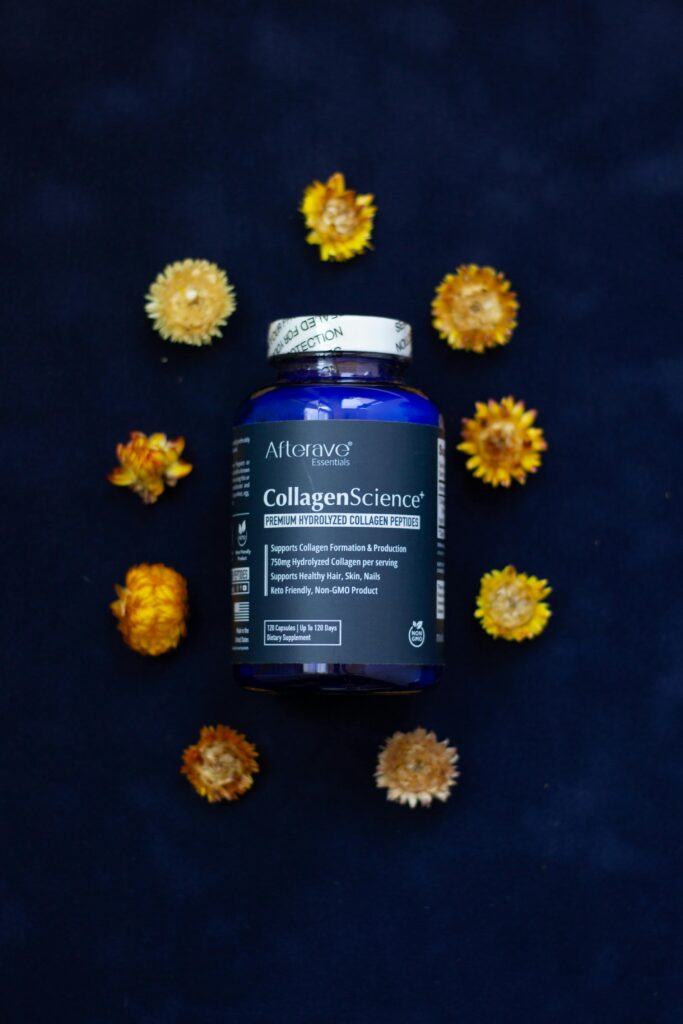
Understanding the key quality factors behind collagen powder performance is essential for supplement brands looking to differentiate their products and maintain consumer trust. Elements such as collagen sourcing, peptide size, solubility, flavor neutrality and batch consistency deeply influence not only product formulation but also customer experience for powders, beverages and functional food applications.
Collagen powder has become a core ingredient in dietary supplements, beverages and functional foods. Its performance is determined by specific quality factors that impact both product effectiveness and market success. Choosing the right collagen manufacturer is vital for ensuring these standards are met, as factors like raw material consistency, manufacturing process and testing protocols all determine the final product’s reliability and consumer appeal.
For brands expanding into ready-to-mix beverages, a collagen drink manufacturer can help align ingredient performance with format-specific expectations. Understanding these quality attributes helps brands avoid issues such as poor mixability, off-flavors and uneven product results, which can lead to higher customer returns and damage to brand reputation.
Collagen source and purity
The origin and purity of collagen are foundational to powder performance. Sourcing from high-quality bovine, marine or porcine collagen ensures the absence of contaminants like heavy metals and allergens, protecting both product safety and label claims. Working with a marine collagen manufacturer can also support traceable sourcing priorities, demanding Certificates of Analysis (COAs) that confirm purity and compliance with industry standards.
For example, marine collagen sourced from verified and sustainable fisheries, or bovine collagen raised under strict quality controls, reduces the risk of variability and supports clean-label positioning. A fish collagen manufacturer may provide additional documentation around species verification and catch-area traceability to support transparency needs.
Peptide size distribution
The molecular weight, or peptide size, of collagen affects its solubility and absorption in the body. Consistent peptide size distribution enables better mixability in water and enhances bioavailability, making the supplement more effective and pleasant to use. A collagen manufacturer that tightly controls hydrolysis parameters can help brands hit peptide specifications for different use cases.
Irregular peptide profiles can result in powders that do not dissolve properly or produce gritty textures in beverages. Manufacturers use advanced enzymatic hydrolysis and batch testing to achieve target peptide sizes, providing documentation to support claims of rapid dissolution and consistent mouthfeel across product lines.
Solubility and dispersibility
High solubility is a critical factor for consumer acceptance and functional application. Powders that do not readily disperse in hot or cold liquids can create customer dissatisfaction, impacting repeat purchases. Reliable collagen manufacturers perform rigorous solubility and dispersibility testing on every batch to ensure that the powder blends smoothly without clumping or residue.
Solubility performance is especially important in brands formulating for RTD drinks, sachets or complex blends with other functional ingredients. Detailed batch records, including solubility test results, help supplement companies set and uphold acceptance criteria, minimizing the risk of customer complaints related to texture or preparation.
Flavor neutrality and sensory profile
Flavor neutrality allows collagen powder to integrate seamlessly into a variety of product formulations, such as flavored beverage mixes, protein bars or unflavored supplements. Off-notes or strong tastes can compromise consumer enjoyment and limit versatility. Manufacturers use purification and deodorization techniques to reduce flavor and odor, while batch tasting ensures each lot meets standards for sensory neutrality.
Brands may also stipulate maximum thresholds for taste or aroma intensity, particularly when targeting sensitive markets or customizing blends. These requirements are written into supply contracts and verified through documented internal tastings and third-party sensory panels.
Batch-to-batch consistency
Reliable performance over multiple production runs reassures brands and consumers alike. Batch-to-batch consistency is achieved through rigorous quality management systems, standardized manufacturing protocols, and ongoing testing. Suppliers that can deliver reproducible results reduce the risk of formulation changes, recalls, or consumer dissatisfaction.
Companies often require every batch to meet narrowly defined specifications for purity, peptide size, solubility, and flavor. This oversight reduces quality drift and protects product launches, so each lot aligns with established brand expectations.
Focusing on these five key quality factors; source and purity, peptide size, solubility, flavor neutrality and batch consistency, enables supplement brands to engineer high-performing collagen powder products and sustain long-term market confidence.
 Wesley Wanggira has opinions about expert business advice. Informed ones, backed by real experience — but opinions nonetheless, and they doesn't try to disguise them as neutral observation. They thinks a lot of what gets written about Expert Business Advice, Market Analysis and Reports, Financial Planning Tips is either too cautious to be useful or too confident to be credible, and they's work tends to sit deliberately in the space between those two failure modes.
Reading Wesley's pieces, you get the sense of someone who has thought about this stuff seriously and arrived at actual conclusions — not just collected a range of perspectives and declined to pick one. That can be uncomfortable when they lands on something you disagree with. It's also why the writing is worth engaging with. Wesley isn't interested in telling people what they want to hear. They is interested in telling them what they actually thinks, with enough reasoning behind it that you can push back if you want to. That kind of intellectual honesty is rarer than it should be.
What Wesley is best at is the moment when a familiar topic reveals something unexpected — when the conventional wisdom turns out to be slightly off, or when a small shift in framing changes everything. They finds those moments consistently, which is why they's work tends to generate real discussion rather than just passive agreement.
Wesley Wanggira has opinions about expert business advice. Informed ones, backed by real experience — but opinions nonetheless, and they doesn't try to disguise them as neutral observation. They thinks a lot of what gets written about Expert Business Advice, Market Analysis and Reports, Financial Planning Tips is either too cautious to be useful or too confident to be credible, and they's work tends to sit deliberately in the space between those two failure modes.
Reading Wesley's pieces, you get the sense of someone who has thought about this stuff seriously and arrived at actual conclusions — not just collected a range of perspectives and declined to pick one. That can be uncomfortable when they lands on something you disagree with. It's also why the writing is worth engaging with. Wesley isn't interested in telling people what they want to hear. They is interested in telling them what they actually thinks, with enough reasoning behind it that you can push back if you want to. That kind of intellectual honesty is rarer than it should be.
What Wesley is best at is the moment when a familiar topic reveals something unexpected — when the conventional wisdom turns out to be slightly off, or when a small shift in framing changes everything. They finds those moments consistently, which is why they's work tends to generate real discussion rather than just passive agreement.