
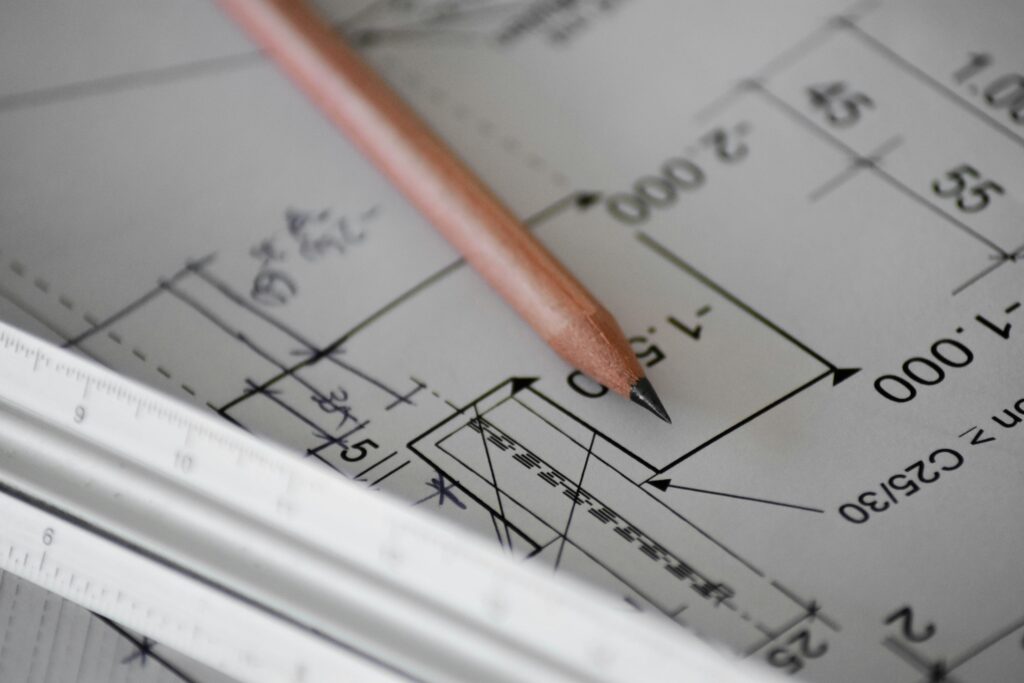
A good site plan can save time, reduce stress, and support a cleaner build. In New Brunswick, land shape, coastal weather, access roads, and local rules all deserve early thought. Steel structures suit farms, shops, storage, commercial use, and industrial sites. The best project starts with a clear view of the land.
1. Check the Land Before the Build
The land should guide the first choices, from size to door placement. Steel buildings New Brunswick projects can benefit from a site review that looks at slope, soil, drainage, and access. A level pad helps with foundation work and frame setup. It also aids in keeping water away from the base.
Coastal New Brunswick sites may face wind, rain, salt air, and freeze-thaw cycles. A site check can help with the right elevation and surface prep. It may help improve long-term use for storage, work bays, or farm needs. Good early notes also make talks with contractors far easier.
2. Plan Access for Trucks and Crews
Access can affect the whole project from delivery to daily use. New Brunswick sites in rural areas may need wider lanes for transport trucks and lift gear. A clear route helps with safe material drop off and less site delay. Space for crew vehicles also keeps the work area less crowded.
Think about how the site will work after the build as well. Large doors should face practical routes for trucks, tractors, or service vans. A simple traffic path helps with stock, tools, and staff movement. It also supports better use of the structure each season.
Site Access Details That Matter
A few small choices can shape the flow of the project:
- Road width for delivery trucks.
- Turn the space near the pad.
- Gravel zones for wet days.
- Clear spots for material stacks.
3. Match the Layout to the Main Use
A steel building should reflect the work that will happen inside. Storage sites need clear space for racks, bins, and safe walk paths. Workshops may need power points, high doors, and room for repair tasks. Farm buildings may need easy access for feed, stock, or equipment.
Many owners consider steel buildings in New Brunswick because each project has a different purpose. A small garage has different needs than a warehouse or arena. The layout can help with comfort, flow, and future additions. Clear goals at the start may help improve the final plan.
4. Account for Weather and Water Flow in New Brunswick
Weather can affect site prep, material delivery, and daily use after the build. New Brunswick projects should account for snow, rain, wind, and spring runoff. Drainage paths, roof pitch, and grade level all play a role. These choices help with a dry, stable, and useful space.
Water flow deserves close attention near the building edge. Downspouts, gravel, swales, and slope can move water away from the foundation. This helps with upkeep and may reduce repair concerns. A dry site also supports safer access for staff and vehicles.
5. Review Permits, Power, and Future Space
Permits, setbacks, and service lines should be part of the early plan. In New Brunswick, local rules can vary by town, rural district, or project type. A quick review with the right office helps with fewer surprises. It also aids in keeping the schedule steady.
Power, water, heat, and interior zones should match the intended use. An extra room near one side can allow a future bay, office, or storage area. A steel frame can support add-ons when the first plan leaves space. That can help the property stay useful as needs shift.
Site plans work best when they start with the land, then move toward access, layout, weather, and permits. New Brunswick property owners can use these steps to shape a practical build without extra guesswork. A steel structure may help improve storage, work, or farm use when the site supports the purpose. Clear choices at the start can make the finished building easier to use for years.
 Ask Amy Glazerela how they got into market analysis and reports and you'll probably get a longer answer than you expected. The short version: Amy started doing it, got genuinely hooked, and at some point realized they had accumulated enough hard-won knowledge that it would be a waste not to share it. So they started writing.
What makes Amy worth reading is that they skips the obvious stuff. Nobody needs another surface-level take on Market Analysis and Reports, Investment Strategies and Trends, Wealth Management Strategies. What readers actually want is the nuance — the part that only becomes clear after you've made a few mistakes and figured out why. That's the territory Amy operates in. The writing is direct, occasionally blunt, and always built around what's actually true rather than what sounds good in an article. They has little patience for filler, which means they's pieces tend to be denser with real information than the average post on the same subject.
Amy doesn't write to impress anyone. They writes because they has things to say that they genuinely thinks people should hear. That motivation — basic as it sounds — produces something noticeably different from content written for clicks or word count. Readers pick up on it. The comments on Amy's work tend to reflect that.
Ask Amy Glazerela how they got into market analysis and reports and you'll probably get a longer answer than you expected. The short version: Amy started doing it, got genuinely hooked, and at some point realized they had accumulated enough hard-won knowledge that it would be a waste not to share it. So they started writing.
What makes Amy worth reading is that they skips the obvious stuff. Nobody needs another surface-level take on Market Analysis and Reports, Investment Strategies and Trends, Wealth Management Strategies. What readers actually want is the nuance — the part that only becomes clear after you've made a few mistakes and figured out why. That's the territory Amy operates in. The writing is direct, occasionally blunt, and always built around what's actually true rather than what sounds good in an article. They has little patience for filler, which means they's pieces tend to be denser with real information than the average post on the same subject.
Amy doesn't write to impress anyone. They writes because they has things to say that they genuinely thinks people should hear. That motivation — basic as it sounds — produces something noticeably different from content written for clicks or word count. Readers pick up on it. The comments on Amy's work tend to reflect that.